A gemstone ring is one of those purchases that stays with you. You will wear it on birthdays and ordinary Tuesdays, at work and on holiday, and you will notice it every time you reach for a cup of tea. That is exactly why it is worth buying slowly rather than impulsively. The good news is that you do not need to know much about gemmology to choose well. You need a handful of practical questions, a little patience, and a clear idea of what you want the ring to do. This guide walks through the decisions in the order most people actually make them, from picking a stone to checking the paperwork once you are standing at the till.
Start with the stone, not the sparkle
The stone sets everything else: the metal that suits it, the setting that protects it, and the price. Before you fall for a colour, think about how the ring will be worn.
Hardness matters more than most beginners expect. Gemstones are ranked on the Mohs scale, where diamond sits at 10 and talc at 1. Anything worn daily will pick up knocks, so a stone below roughly 7 on the scale needs a protective setting or a gentler life.
- Diamond, sapphire, ruby — hard and forgiving, good for everyday wear.
- Emerald — beautiful but brittle, better suited to occasional wear.
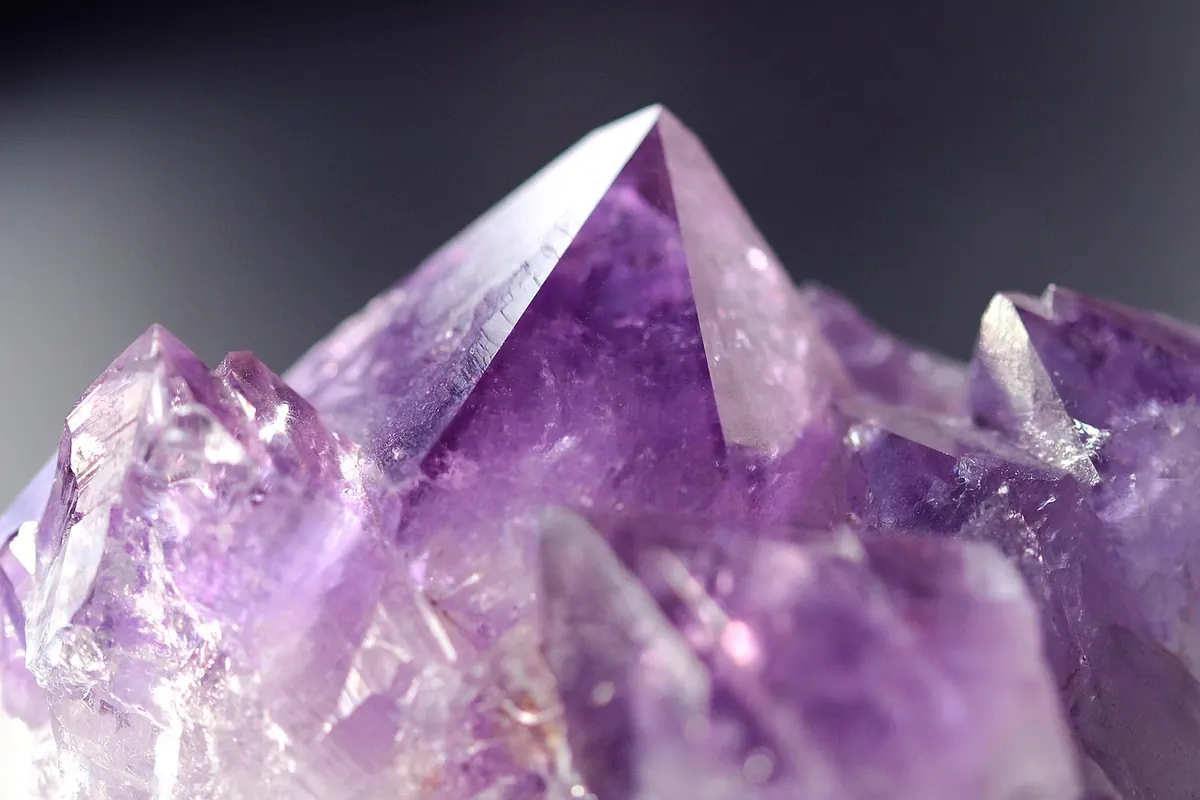
- Amethyst, citrine, garnet, topaz — affordable and colourful, though softer than sapphire.
- Opal, pearl, moonstone — delicate and lovely, but they scratch and chip easily.
Colour and cut come next. A well-cut stone catches light and looks lively; a dull cut in a rare colour can still disappoint. Ask to see the stone in daylight if you can, since shop lighting flatters almost everything. If you are buying online, check the returns policy before you order and look for photos taken in neutral light.
Treatments are worth asking about too. Many stones are heated, oiled or filled, which is normal trade practice but affects value and care. A good seller will tell you plainly what has been done to the stone.
Choosing a metal that suits your life
Gold, platinum and silver all behave differently, and the right choice depends on how often you wear the ring and what colour you like against your skin.
Gold and its carats
Yellow gold is the classic choice and hides scratches well. Nine-carat gold is harder and cheaper; eighteen-carat gold is richer in colour and contains more pure gold. Rose gold suits warmer skin tones. White gold is usually rhodium plated to keep it bright, and that plating wears away over time, so budget for re-plating every year or two if you wear the ring daily.
Platinum and silver
Platinum is dense, pale and very durable, which is why it is popular for engagement rings. It costs more, but it does not need plating. Silver is the most affordable option and perfectly good for a first ring, though it scratches and tarnishes and is softer, so it suits a secure setting and occasional wear.
Getting the ring size right
Ring sizing is the step people rush, and it is the one that causes the most returns. A few points to keep in mind:
- Fingers change size through the day, so measure at the end of the afternoon when they are at their largest.
- Cold weather shrinks fingers; avoid sizing in a freezing shop after a walk.
- Wider bands feel tighter, so you may need a slightly larger size than a slim band.
- Ask the jeweller to measure you properly rather than relying on a home printout.
Resizing a plain gold band is usually straightforward. Resizing a ring set with stones, especially a full eternity band, can be difficult or impossible without rebuilding it, so it is worth getting the size right first time.
Setting a realistic budget
There is no correct amount to spend. Decide your total first, then split it between stone, metal and making. A hard, well-cut stone in a simple setting will serve you better than a rare stone in a flimsy one.
Think about the ongoing costs as well as the purchase price. White gold needs re-plating, delicate settings need checking, and insurance may be worth arranging for anything valuable. If you are spending a significant sum, it is sensible to speak to an insurer or a financial adviser about how best to cover it.
Checking UK hallmarking
In the UK, items made of gold, silver, platinum or palladium above certain weights must carry a hallmark. It is your assurance of metal purity and a legal requirement for most jewellery sold here. A hallmark typically shows the maker or sponsor's mark, the assay office symbol and the purity mark, and often a date letter too.
Look for it on the inside of the band. If a ring is described as gold or platinum and you cannot find a hallmark, ask why. Very light items are exempt, and some imported pieces are marked differently, but a reputable seller will explain the position clearly rather than dismiss the question.
Returns, refunds and your rights
Always read the returns policy before you pay, whether you are in a shop or buying online.
- Online purchases normally come with a legal right to cancel within 14 days of delivery, but there are exceptions, including personalised and made-to-order items.
- In-store returns are usually a matter of shop policy rather than law, so ask what happens if the size is wrong.
- Check whether resizing, cleaning or re-polishing is included, and for how long.
- Ask about restocking fees, and whether engraving or resizing voids the return.
- Keep the receipt, packaging and any gemstone certificate.
Get the key terms in writing, even if it is just a confirmation email. If something goes wrong and the shop will not help, Citizens Advice can point you towards the right consumer body for your situation.
A simple checklist before you buy
Know how hard your chosen stone is and be honest about how you will wear it. Pick a metal that suits your budget and your daily habits. Get measured properly, at the right time of day. Find the hallmark and understand what it says. Ask about returns, resizing and aftercare before money changes hands. Then buy the ring you actually want, not the one you think you should want. A first gemstone ring should feel like a pleasure every time you put it on, and a little groundwork now is what makes that happen.